
The world of cryptocurrency trading has changed dramatically since the first Bitcoin exchange launched in 2010. What started as a niche market has grown into a major financial ecosystem. Today, artificial intelligence powers much of the trading activity across digital asset markets.
AI crypto trading works by using advanced algorithms to make trading decisions faster than any human could. These systems analyze market data around the clock. They look for patterns and opportunities in the volatile crypto landscape. The technology helps traders manage risk and potentially improve their returns.
This guide will walk you through how automated trading systems function in the cryptocurrency world. You will learn about the tools and strategies that professional traders use daily. By the end of this article, you will understand how these technologies operate and what they can do for your investment approach.
Key Takeaways
- AI crypto trading works by using computer algorithms to identify and execute trades without human intervention
- Automated systems have become essential tools for investors since the early days of Bitcoin exchanges
- Machine learning models can detect market patterns and trends that humans might miss
- High-frequency trading strategies can process thousands of trades per second
- Understanding the basics of automated trading helps you make smarter investment decisions
- Security and proper setup are crucial when using algorithmic trading platforms
- The crypto trading landscape continues to evolve with new technologies and strategies
Understanding the Basics of Automated Markets
Automated markets work by using computer programs to buy and sell cryptocurrencies without needing a person to make every single decision. These systems follow set rules and instructions to execute trades across global exchanges. The technology has grown rapidly since 2017, attracting thousands of traders who want to improve their results. With ai crypto trading, investors can remove emotions from their buying and selling choices, which is often what causes people to lose money.
One of the biggest advantages of automated systems is their ability to work 24 hours a day, 7 days a week. Cryptocurrency markets never sleep, and these programs can spot valuable opportunities even when you are sleeping or working at your day job. This constant monitoring means you do not miss out on important price movements or trading signals.
Automated trading removes the feelings that often hurt traders. When people trade manually, they might:
- Hold losing trades too long because they hope prices will bounce back
- Sell winning trades too early out of fear
- Make rushed decisions during market swings
- Buy or sell based on hype rather than solid data
Programs do not have these emotional problems. They stick to their plan no matter what happens in the market. This discipline helps traders achieve more consistent results over time.
Getting started with automated markets requires understanding how these systems connect to exchanges, follow trading rules, and manage your money wisely. The next section explains exactly how these intelligent systems work to process information and make trades.
How AI Crypto Trading Works
The foundation of modern cryptocurrency trading relies on sophisticated technology that combines artificial intelligence with real-time market analysis. When you use ai crypto trading systems, you gain access to tools that operate at speeds impossible for human traders. These platforms examine massive amounts of data every single second, spotting opportunities that would take humans days or weeks to identify.
The process starts with feeding historical price information into computer systems. These systems learn patterns from the past. They then use what they learned to make predictions about future price movements. Major platforms like Binance and Coinbase provide the real-time data that powers these intelligent trading systems.
Machine Learning Models in Finance
Machine learning represents the brain behind automated trading platforms. These models work by studying years of price history. They identify trends that repeat across different time periods and market conditions.
The models get better over time. Each trade provides new information that improves future predictions. Think of it like learning a skill: the more you practice, the better you become.
- Models analyze price movements across multiple cryptocurrencies
- Systems recognize seasonal patterns in market behavior
- Algorithms adjust strategies based on changing conditions
- Real-time data feeds keep predictions accurate and current
Data Processing and Pattern Recognition
Pattern recognition is where the real power of automated systems shines. These systems process millions of data points per second. They spot subtle patterns that remain invisible to the human eye.
| Data Type | Processing Speed | Pattern Detected |
|---|---|---|
| Price movements | Real-time (milliseconds) | Trend reversals |
| Volume changes | Real-time (milliseconds) | Momentum shifts |
| Market volatility | Real-time (milliseconds) | Risk indicators |
| Cross-exchange data | Real-time (milliseconds) | Arbitrage opportunities |
When volatility spikes on major platforms, these intelligent systems rapidly adjust trading strategies. They do this faster than any human trader could react. The computational power enables quick responses to sudden market changes.
This automated approach removes emotion from trading decisions. Machines follow programmed rules without fear or greed. They execute trades based purely on data and probability, making them remarkably consistent in their execution.
Key Benefits of Using Intelligent Algorithms
Intelligent algorithms bring real advantages to cryptocurrency trading. Speed stands out as one of the most significant benefits. When you use ai crypto trading systems, trades execute in milliseconds. This lightning-fast speed beats any manual trader by a wide margin. Human traders simply cannot match this performance.
Discipline forms another core benefit. Your trading software follows strict rules without emotion or hesitation. Pre-defined risk management parameters guide every decision. This consistency helps protect your portfolio when markets shift suddenly. During the crypto downturn in May 2021, many automated systems weathered the storm better than emotional traders.
Automated trading removes the stress of watching markets around the clock. Your system monitors cryptocurrencies while you sleep, work, or spend time with family. This peace of mind holds real value for busy investors.
Key advantages of intelligent algorithms include:
- Execution speeds measured in milliseconds for competitive edge
- Emotional discipline that sticks to your trading plan
- 24/7 market monitoring without human fatigue
- Consistent application of risk management rules
- Reduced stress through automation
- Better protection during volatile market swings
These benefits work together to build a more resilient trading experience. Your investment approach becomes more systematic and less reactive. Intelligent algorithms transform how you engage with digital asset markets.
Common Strategies for Digital Asset Portfolios
AI-powered trading systems use several proven strategies to help investors earn profits in the cryptocurrency market. These automated approaches remove emotions from decision-making and execute trades faster than human traders. Understanding these strategies helps you pick the right tools for your investment goals.
Trend Following Approaches
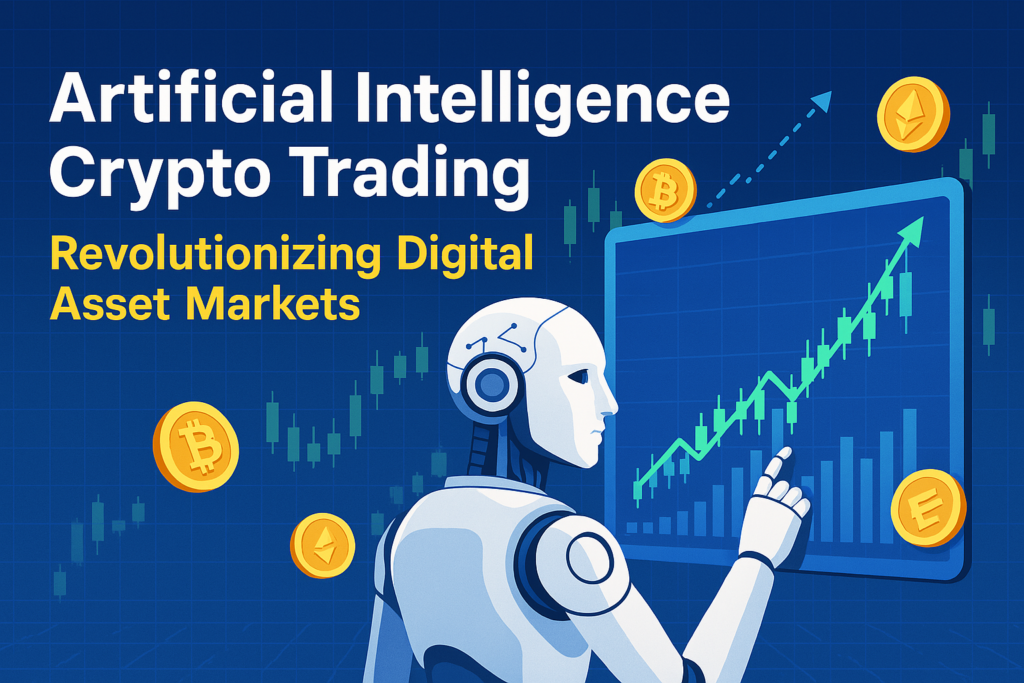
Trend following is one of the most popular cryptocurrency trading strategies. This method identifies the direction of market momentum and enters positions that match the current price movement. When prices move upward, the bot buys. When prices fall, it sells or avoids trades.
This strategy works by analyzing historical price data over different time periods. The AI system recognizes patterns that show where the market is heading. It then places trades to capture profits from these price movements.
Key benefits of trend following include:
- Works well in strong bull and bear markets
- Removes guesswork from trading decisions
- Responds quickly to market changes
- Reduces losses during downturns
Arbitrage Opportunities
Arbitrage trading exploits price differences for the same digital asset across different exchanges. A bot might buy Bitcoin at a lower price on one platform and immediately sell it at a higher price on another platform for instant profit.
Advanced bots scan more than 500 global cryptocurrency exchanges in real time. They track price variations across all these platforms to find profitable opportunities. Since these price gaps close quickly, speed matters most in arbitrage trading.
| Strategy Type | Main Goal | Market Condition | Speed Required |
|---|---|---|---|
| Trend Following | Capture price momentum | Strong directional moves | Moderate |
| Arbitrage | Exploit price gaps | Price inconsistencies | Very Fast |
Both strategies work best when combined with proper risk management and continuous monitoring of market conditions.
Risks and Considerations for Investors
Automated cryptocurrency trading brings real advantages, but it comes with serious challenges. Investors need to understand that no algorithm guarantees profit, and market conditions shift faster than any system can adapt. The crypto industry faced massive disruptions in 2022 when major platforms collapsed, leaving many traders with significant losses. This event showed why constant monitoring and risk assessment remain essential.
Technical failures pose real threats to your investments. Software bugs, API connectivity problems, and system glitches can happen without warning. These issues become especially dangerous during high-volatility events when markets move rapidly. A single connection failure could result in missed trades or unwanted positions left open.
Understanding the main risks helps you protect your money and make smarter decisions about automation:
- System failures during extreme market swings
- Software bugs that cause unexpected trades
- API disconnections that break your bot’s connection to exchanges
- Market conditions changing faster than your model adapts
- Security breaches exposing your trading credentials
- Over-reliance on historical data that doesn’t predict future performance
| Risk Type | Impact Level | Protection Strategy |
|---|---|---|
| Technical Failures | High | Regular system checks and backup connections |
| Market Volatility | High | Position size limits and stop-loss orders |
| Algorithm Errors | Medium | Continuous testing and monitoring |
| Security Threats | High | Two-factor authentication and secure key storage |
| Data Quality Issues | Medium | Using multiple data sources for verification |
Smart investors set strict limits on their trading bots. Use stop-loss orders to protect against major drops. Never risk more money than you can afford to lose. Keep some trades manual so you stay connected to market movements. Regular monitoring catches problems before they become disasters.
“The biggest risk in automated trading isn’t the technology itself—it’s forgetting that you’re still responsible for every trade your system makes.”
Your setup needs built-in safeguards. Set maximum position sizes. Use alerts that notify you of unusual activity. Test your system thoroughly before deploying real money. Remember that past performance doesn’t guarantee future results, and market conditions can shift unexpectedly. Treating automation as a tool that requires supervision, not a set-it-and-forget-it solution, keeps your portfolio safer.
Selecting the Right Software for Your Needs
Picking the right platform for ai crypto trading can feel overwhelming. The market offers many options, each with different features and price points. Your choice matters because the right software can help you build a strong automated investment plan. The wrong choice can cost you money and stress.
Start by understanding what matters most to you. Do you want ease of use? Are you looking for advanced tools? What about customer support? Write down your must-haves before you compare platforms. This keeps you focused when reviewing options.
Evaluating Security Features
Security comes first when handling your digital assets. Look for platforms that offer strong protection methods. The best services use multiple layers of defense.
Key security features to look for include:
- Two-factor authentication to protect your login
- Cold storage integration for your API keys
- Encrypted data transmission between your device and servers
- Regular security audits from third-party firms
- Insurance coverage for digital asset loss
Ask each platform about their security practices. Read user reviews focusing on security concerns. Check if they’ve had any breaches in the past.
Assessing Historical Performance
History tells you how software performs during real market conditions. Look at how platforms handled tough times, like market downturns over the last three years. Transparency matters here—good companies share their data openly.
Compare these performance metrics:
| Metric | What It Shows | Why It Matters |
|---|---|---|
| Average Return Rate | Money gained or lost yearly | Shows profit potential in normal markets |
| Drawdown Recovery Time | Days to bounce back from losses | Tells you resilience during downturns |
| Win Rate Percentage | Successful trades out of all trades | Shows consistency and reliability |
| Risk-Adjusted Returns | Profits relative to risk taken | Balances gains with safety concerns |
Request detailed reports from platforms you’re considering. Look for transparency in methodology—they should explain how they calculated results. Avoid platforms that promise guaranteed returns. Real trading always carries risk.
Taking time to choose a solid platform builds the foundation for sustainable automated investing success.
Setting Up Your First Automated Account
Starting your journey with ai crypto trading requires just a few straightforward steps. The process begins with selecting a reliable trading platform that matches your experience level and financial goals. Once you pick your platform, you’ll need to create an account and verify your identity through the platform’s standard security checks.
The most important step involves connecting your exchange API keys to your trading software. Think of API keys as a secure bridge between your exchange account and the automated trading platform. These keys allow the software to execute trades on your behalf without storing your actual passwords.
Before you start trading with real money, follow these essential setup steps:
- Generate API keys from your cryptocurrency exchange
- Enter your API keys into the trading platform’s settings
- Configure your risk management parameters
- Select a trading strategy that fits your goals
- Test the system with a small amount first
Many experts recommend starting with a small capital allocation of $100 to $500 when testing your system. This approach lets you see how the software performs without risking significant money. You can watch the trades execute, learn how the platform works, and build confidence before increasing your investment.
Risk settings matter greatly in automated trading. You’ll need to set parameters like maximum trade size, daily loss limits, and position limits. These controls keep your portfolio within your personal comfort zone right from day one, protecting you from unexpected losses while you learn the system.
“Start small, learn the system, then scale up your investment slowly as you gain experience and confidence.”
Take time to explore your platform’s features and documentation. Most quality platforms offer tutorials, customer support, and practice modes. Using these resources helps you understand how everything works before committing larger amounts of capital to your automated trades.
Future Trends in Financial Technology
The world of automated cryptocurrency trading is changing fast. New technologies are reshaping how people invest in digital assets. These changes make trading easier and smarter for everyday investors. The next few years will bring exciting innovations to the market.

The financial technology sector is moving toward decentralized finance solutions. Traditional trading platforms are being replaced with newer, blockchain-based systems. These systems offer more control and transparency to users. Investors can now access tools that were once available only to professional traders.
Integration of Decentralized Finance
Decentralized finance protocols are becoming more important in automated trading. DeFi platforms allow users to lend money and earn rewards without banks. These systems use smart contracts to handle transactions automatically. By 2026, most trading bots will connect with DeFi networks.
Key benefits of DeFi integration include:
- Lower fees compared to traditional exchanges
- 24/7 access to markets without restrictions
- Automated lending and yield farming options
- Greater security through blockchain technology
Advancements in Predictive Analytics
Predictive analytics are becoming smarter and more accurate. Researchers are building AI models that read social media to predict market movements. These tools analyze what people say about cryptocurrencies online. The data helps trading algorithms make better decisions faster.
New predictive features include:
- Sentiment analysis from Twitter and Reddit discussions
- Real-time market trend detection
- Risk assessment before major trades
- Personalized recommendations for each investor
These advancements mean that automated trading tools will become easier to use for regular people. You won’t need years of training to start trading with AI. The technology will handle complex decisions for you. Simple interfaces will replace complicated charts and numbers.
The future of crypto trading looks bright. Smart systems are getting better every month. Both new and experienced investors will benefit from these tools.
Conclusion
Automated trading in the cryptocurrency market represents a major shift in how people invest in digital assets. This technology gives traders speed, accuracy, and steady performance that would be hard to achieve by hand. The combination of AI and machine learning has made it possible for everyday investors to compete in a market that once seemed out of reach.
Your path to success starts with learning how these systems work. Take time to understand the basics of automated markets, the strategies that work best, and the real risks involved. Pick software tools that fit your needs and have strong security features. Platforms like Coinbase, Kraken, and Binance offer different options for traders at every skill level.
Remember that technology is just one piece of the puzzle. Your own judgment and attention matter more than any algorithm. Stay involved in your trading decisions, watch your portfolio regularly, and be ready to adjust your approach when market conditions change. Keep learning about new trends in decentralized finance and predictive analytics as the industry moves forward.
The future of cryptocurrency trading belongs to those who blend smart tools with careful thinking. Use automated systems to work in your favor, but never let them replace your own wisdom and oversight. With the right mix of technology and personal responsibility, you can build a stronger financial future in the world of digital assets.